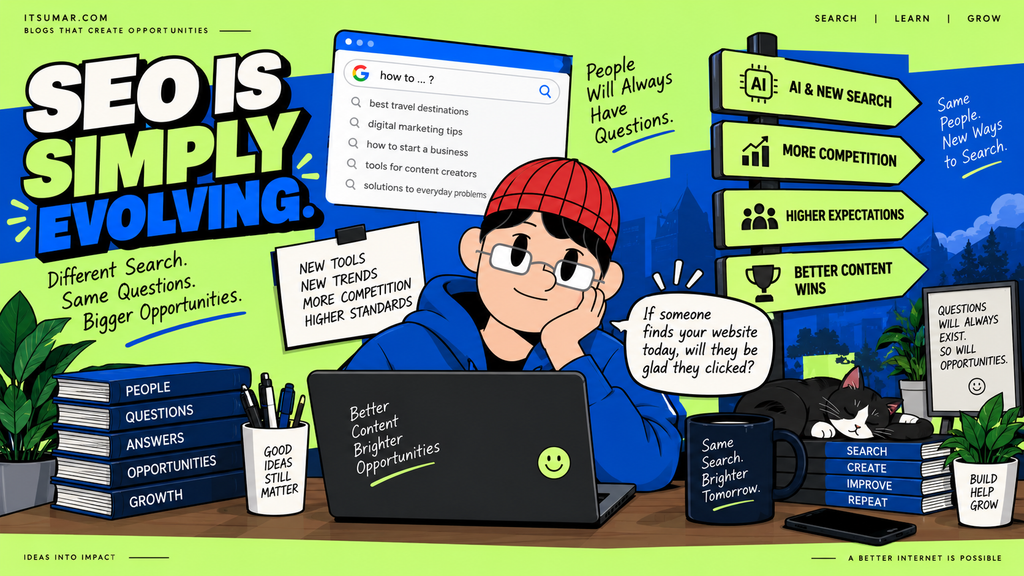
“SEO is dead.” You’ve probably heard this sentence more times than you can count. Every few months, there’s a new reason why people think SEO is finished. First, social media was supposed to replace search. Then voice search arrived. Then AI changed the way people find information. Suddenly, everyone started asking the same question: Does SEO even matter anymore? The answer is simple: SEO isn’t dead. The old way of doing SEO is. Today, SEO is an important part of organic growth in digital marketing.
SEO Has Changed, Not Disappeared
Search has changed, and so have people. We don’t search the same way we did five years ago, and search engines don’t rank websites using exactly the same signals they once did. Today, SEO is less about trying to impress an algorithm and more about creating something genuinely useful for the person behind the search. The goal is no longer to simply put a keyword everywhere and hope Google notices. The goal is to understand what people are searching for, why they are searching for it, and how your content can give them a useful answer.
Keywords Aren’t the Whole Game
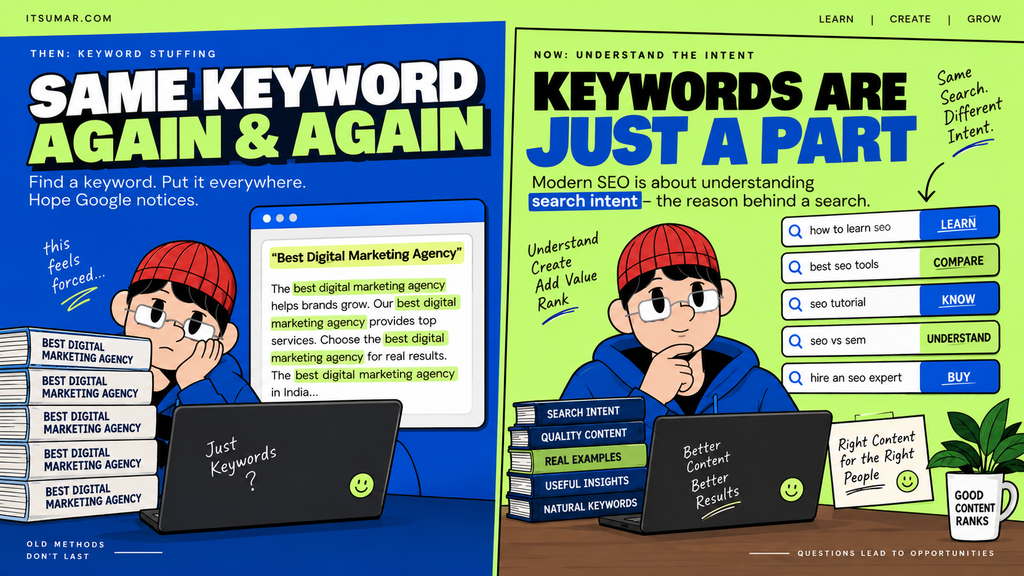
There was a time when SEO felt like a game of repetition. Find a keyword, put it in the title, repeat it throughout the article, add it to a few headings, and hope Google notices. But imagine reading an article that says “best digital marketing agency” in almost every sentence. It doesn’t feel helpful. It feels forced. Modern SEO is much more about understanding search intent — the reason behind a search. When someone searches “how to learn SEO,” they probably don’t want a complicated definition. They want a clear explanation, practical steps, examples, and maybe a roadmap to get started. That’s why keywords still matter, but they should be used naturally. A keyword should help search engines understand your content, not make your content sound like a robot wrote it.
Google Wants Useful Content
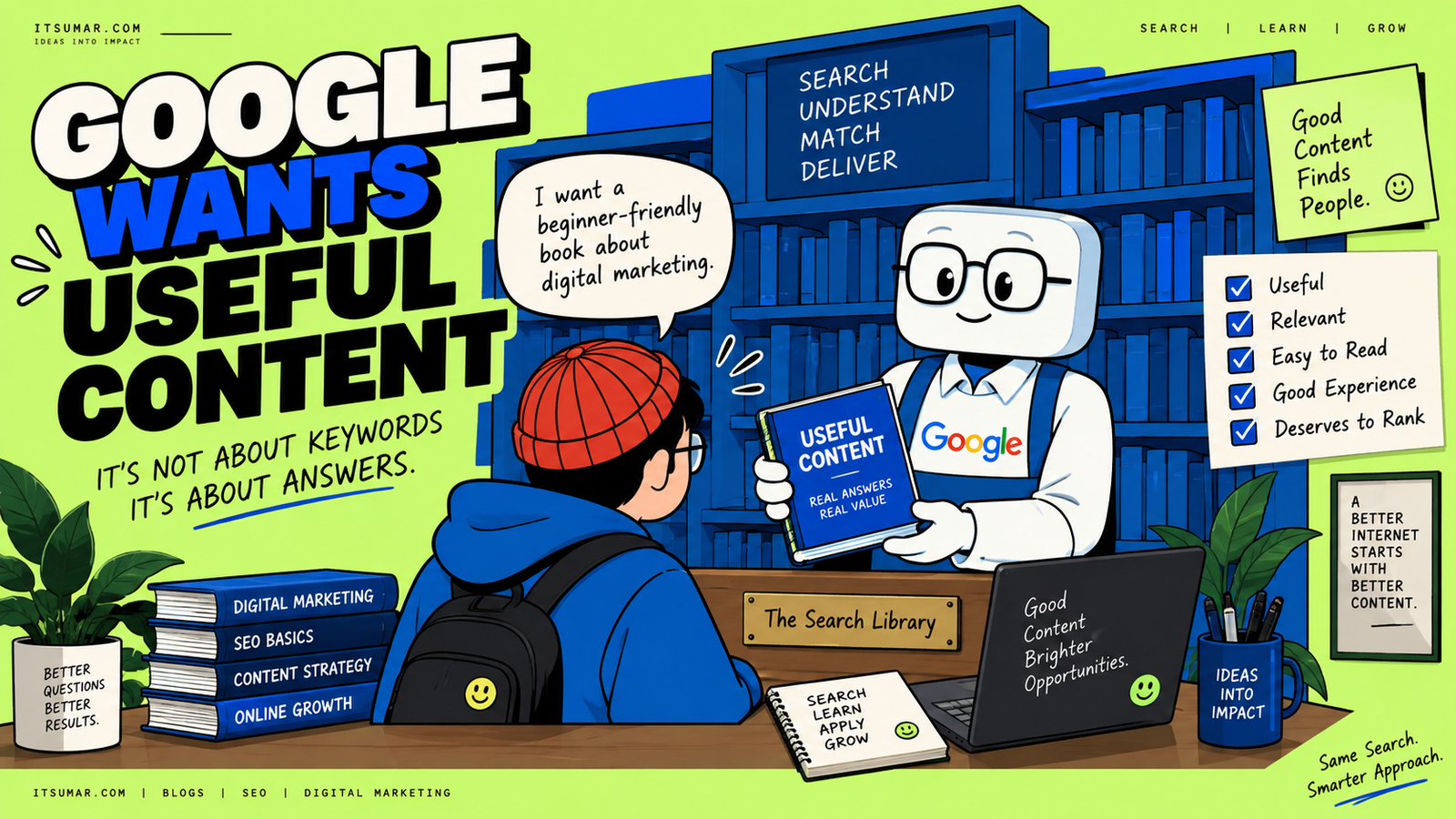
Think about Google like a massive digital librarian. You walk into a library and say, “I want a beginner-friendly book about digital marketing.” The librarian isn’t going to give you a book simply because the words digital marketing appear hundreds of times inside it. They’ll try to give you something that actually answers your question. Search engines work in a similar way. Google tries to understand what a page is about, whether it is useful, whether it provides a good experience, and whether it deserves to appear when someone searches for that topic. That’s why simply filling a page with keywords isn’t enough anymore. Useful content beats keyword stuffing. Useful content beats keyword stuffing and plays an important role in organic growth in digital marketing.
AI Didn’t Kill SEO
Then came AI. AI didn’t kill SEO. It changed the competition. Today, almost anyone can create a thousand-word article in a few seconds. That sounds great until you realize that everyone can do the same thing. The internet doesn’t need another article that says exactly what the other hundred articles already said. It needs something different — your experience, your examples, your perspective, your research, and your way of explaining something.
AI can help you research, brainstorm, structure, and create content faster. But simply generating words isn’t the goal. Creating something people actually want to read is.
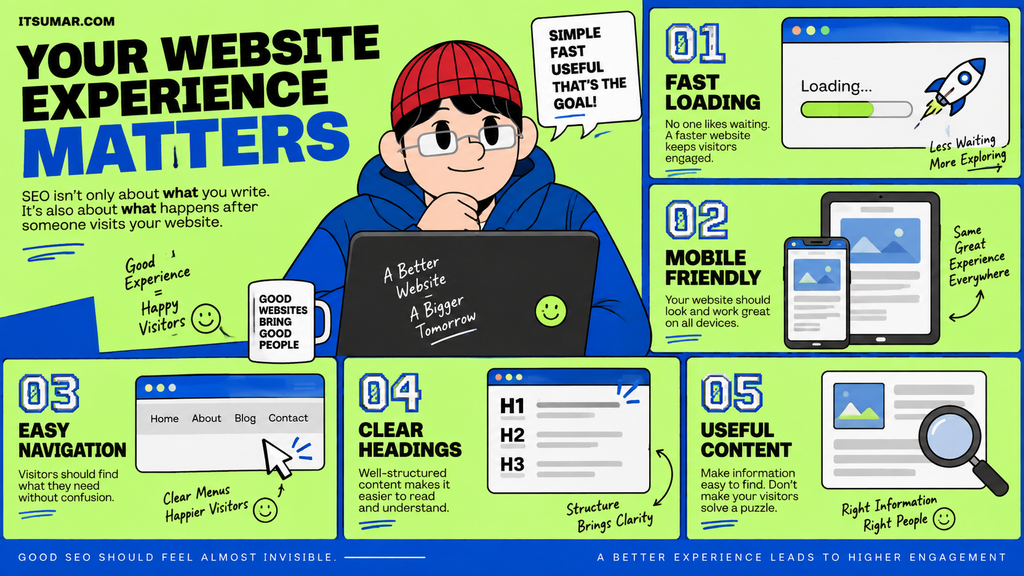
Your Website Experience Matters
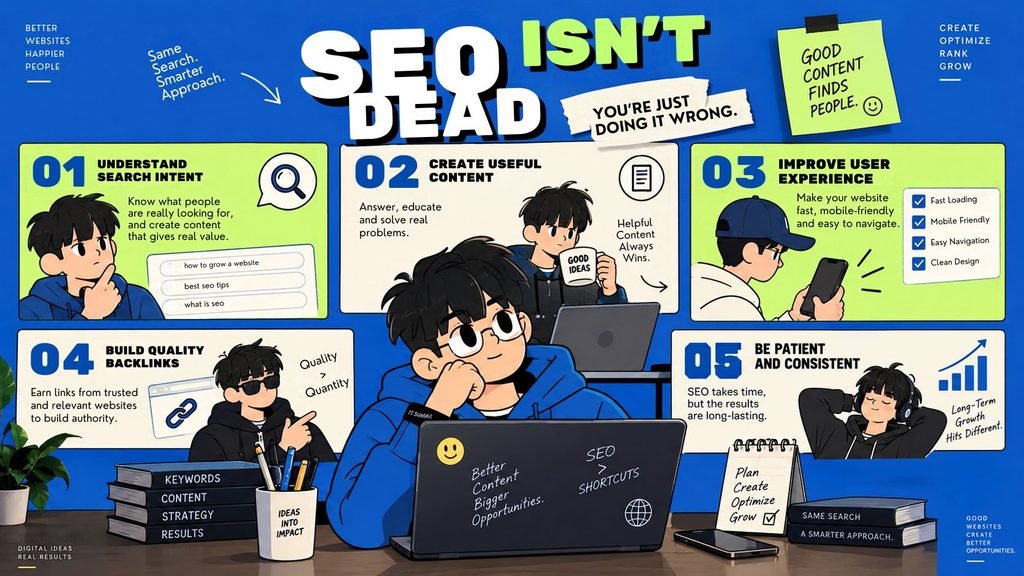
SEO isn’t only about what you write. It’s also about what happens after someone visits your website. Imagine clicking on a website and waiting ten seconds for it to load. You leave and find another website. It doesn’t matter how good the article was supposed to be — you never stayed long enough to read it. A good website should load quickly, work properly on mobile, be easy to navigate, use clear headings, and make information easy to find. Nobody wants to solve a puzzle just to find the answer they came for. Good SEO should feel almost invisible. The visitor should simply find what they need without thinking about all the optimization happening behind the scenes.
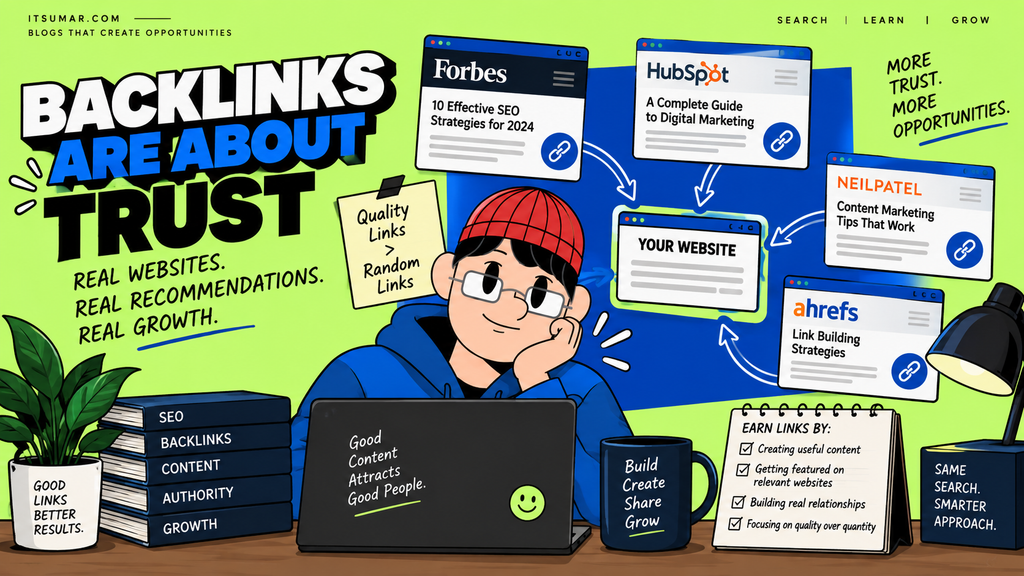
Backlinks Are About Trust
Then there are backlinks — links from other websites pointing to your website. Think of them like recommendations. When a trusted website mentions your article and links to it, it can help search engines understand that your content may be useful and credible. But there is a difference between earning links and collecting random links. SEO isn’t about collecting the biggest number of backlinks. It’s about building trust and relevance. One genuinely useful mention from a relevant website can be far more valuable than collecting a pile of unrelated links.
SEO Is a Long Game
And here’s the part nobody wants to hear: SEO takes time. It isn’t Instagram. You don’t publish something today and necessarily wake up tomorrow with thousands of visitors. You publish, optimize, learn, wait, check what is working, and improve it. Sometimes an article takes weeks or months to gain visibility. Sometimes it doesn’t perform at all. That isn’t necessarily failure — it’s information. SEO gives you data. You learn what people search for, what they click, where they leave, and what content brings them to your website. Then you use those insights to make your next piece better.
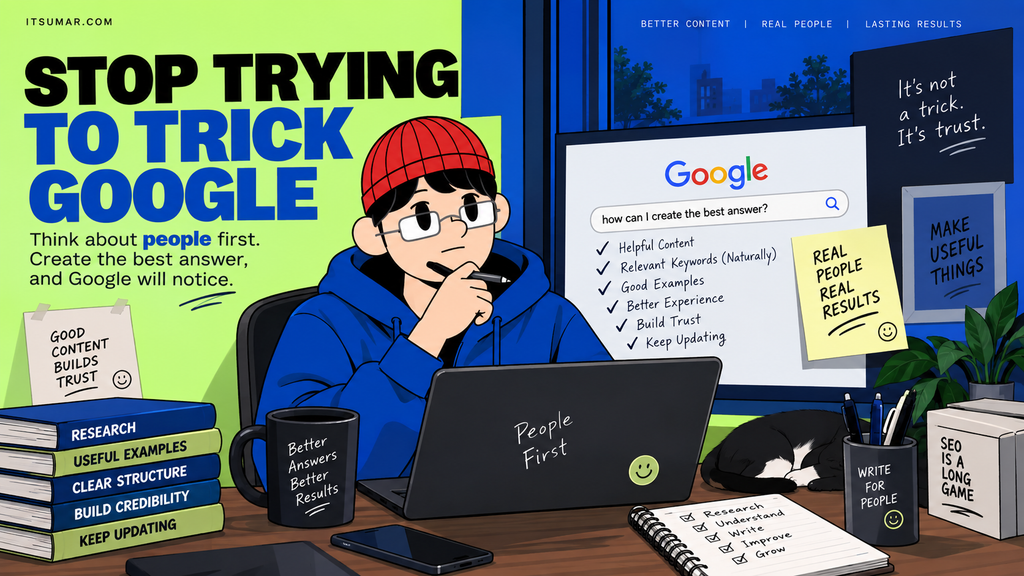
Stop Trying to Trick Google
The biggest SEO mistake is thinking about Google before thinking about people. Instead of asking “How do I rank number one?”, start with “How can I create the best answer for this search?” That shift changes everything. Research the topic, understand the audience, use relevant keywords naturally, structure your content properly, add useful examples, improve your website experience, build credibility, and keep updating your content when necessary. You’re not trying to trick Google. You’re giving Google a reason to trust your page.
So… Is SEO Dead?
No. SEO is simply evolving. The shortcuts are becoming less useful, generic content is becoming easier to produce, competition is increasing, and search itself is changing. But people will always have questions. And as long as people have questions, they’ll need answers. That means there will always be a place for websites that provide those answers clearly, honestly, and better than the alternatives.
So don’t ask whether SEO is dead. Ask yourself something more important: If someone finds your website today, will they be glad they clicked? Because that’s where good SEO begins.